
Why Compare Home Battery Storage Systems?
As the demand for home battery storage grows, homeowners face multiple options, from industry giants like Tesla Powerwall to innovative brands like FranklinWH and Solara Power. Choosing the right solar battery system is critical for achieving energy independence, cost savings, and reliable backup power. This article compares these leading solutions to help you make an informed decision.
Battery Technology and Safety
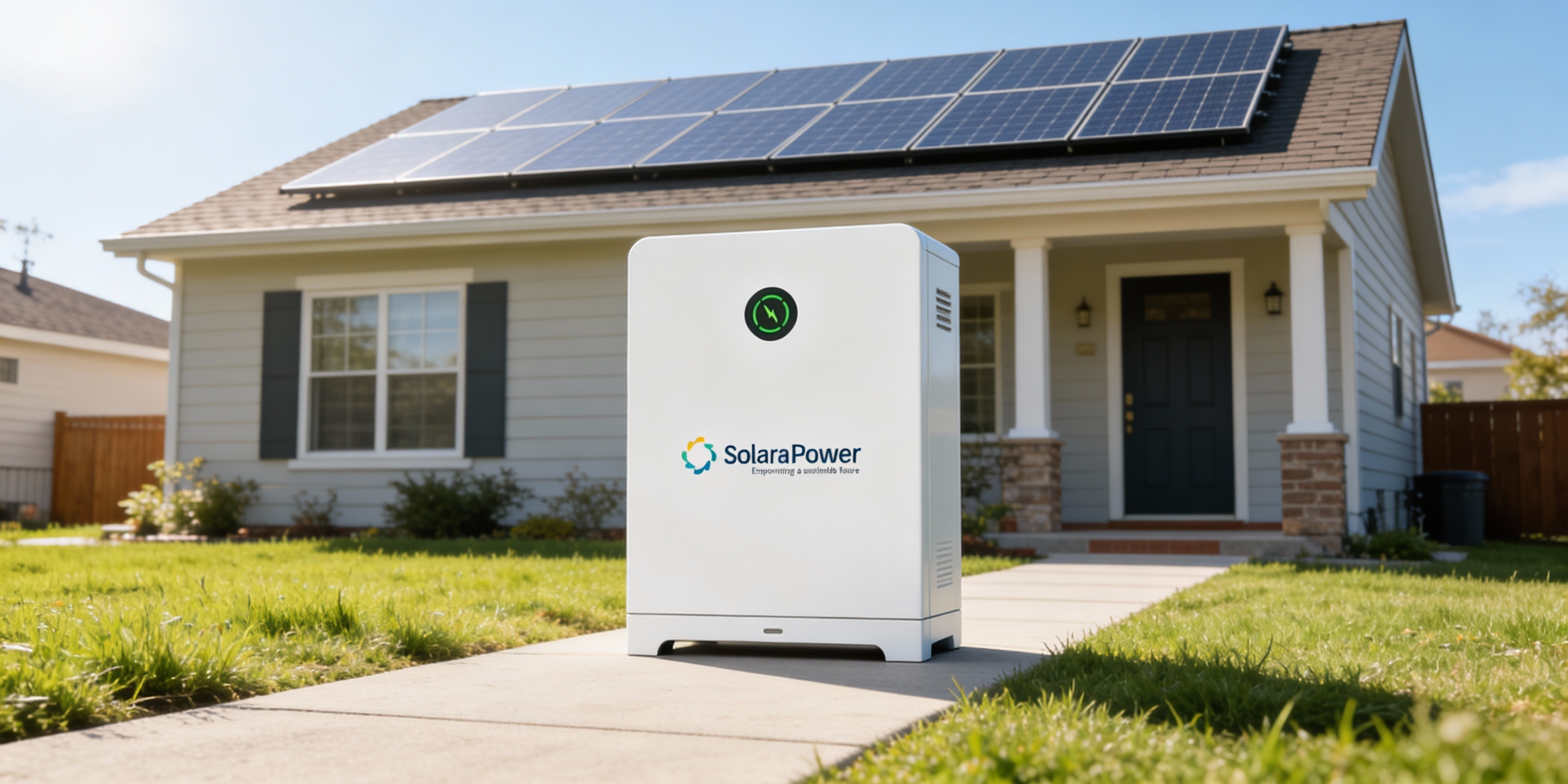
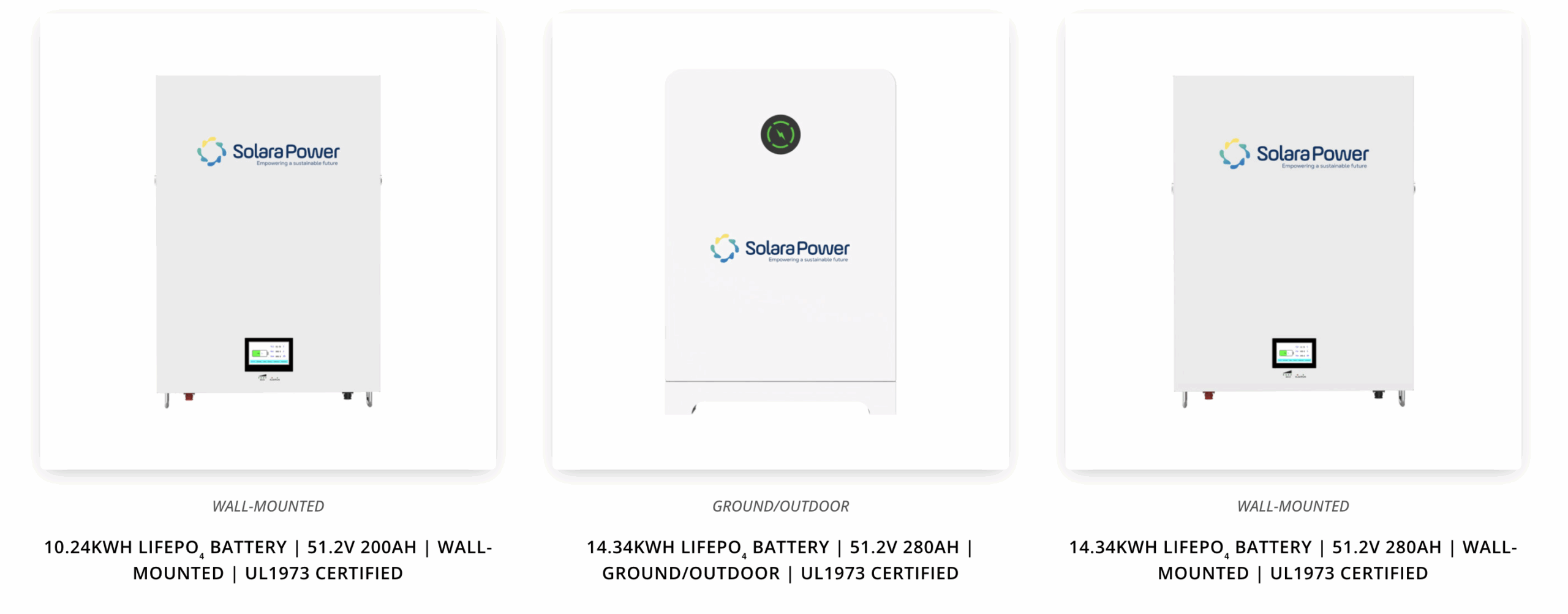
Solara Power uses advanced LiFePO₄ battery technology, known for its safety, thermal stability, and long cycle life—often exceeding 8,500 cycles. Tesla Powerwall and FranklinWH also offer lithium-based batteries, but Solara’s focus on UL9540 certification and integrated Battery Management Systems (BMS) ensures superior safety and compliance. For homeowners prioritizing reliability, Solara’s design minimizes risks while maximizing performance.
Installation and DIY Friendliness
One of Solara Power’s standout features is its plug-and-play installation, making it ideal for DIY homeowners and professional installers alike. Tesla Powerwall typically requires certified installers, adding complexity and cost. FranklinWH offers semi-DIY options but still involves professional oversight. Solara’s approach reduces installation time and upfront expenses, making home battery backup systems more accessible.
Cost and Value
Price is a major factor in choosing a residential energy storage system. Tesla Powerwall units often start around $7,500, while FranklinWH systems range from $6,000–$7,500. Solara Power delivers competitive pricing with packages starting near $5,500, offering excellent value without compromising on quality. Combined with falling battery prices and government incentives, Solara provides a cost-effective path to solar-plus-storage adoption.
Smart Features and Grid Services
All three brands offer smart monitoring apps, but Solara Power goes further with Virtual Power Plant (VPP) readiness and advanced energy optimization tools. Homeowners can track energy production, battery health, and consumption patterns in real time. These features enable participation in grid programs, earning incentives while supporting sustainability goals—a key advantage for future-proofing your solar battery storage system.
Which System Is Right for You?
If you value DIY installation, affordability, and robust safety certifications, Solara Power stands out as the best choice. Tesla Powerwall remains a strong contender for brand recognition and integrated ecosystems, while FranklinWH offers solid performance for mid-range budgets. Ultimately, Solara Power combines energy independence, cost savings, and smart technology in a way that empowers homeowners to take control of their energy future.




0 Comments