
System Overview
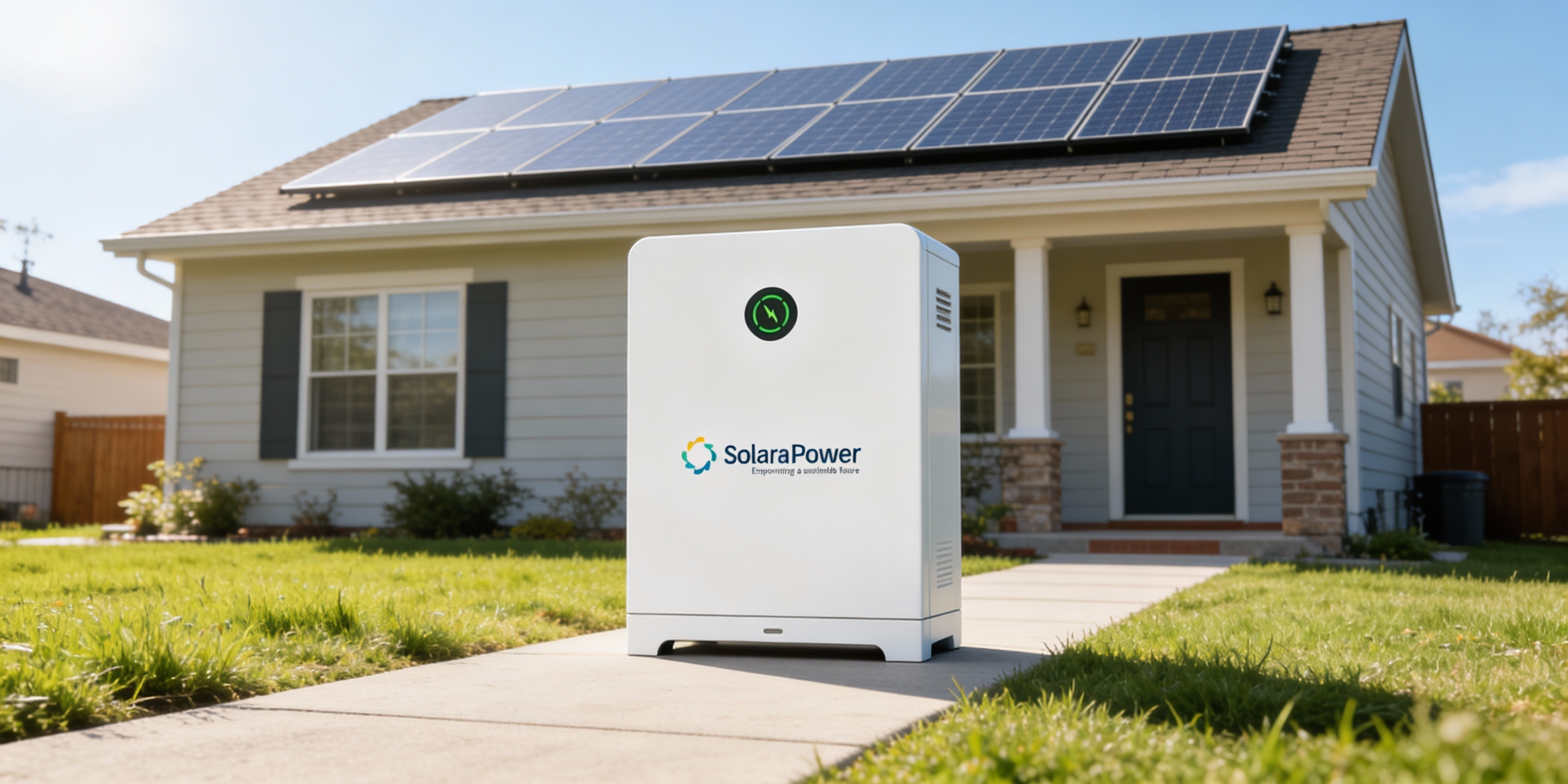
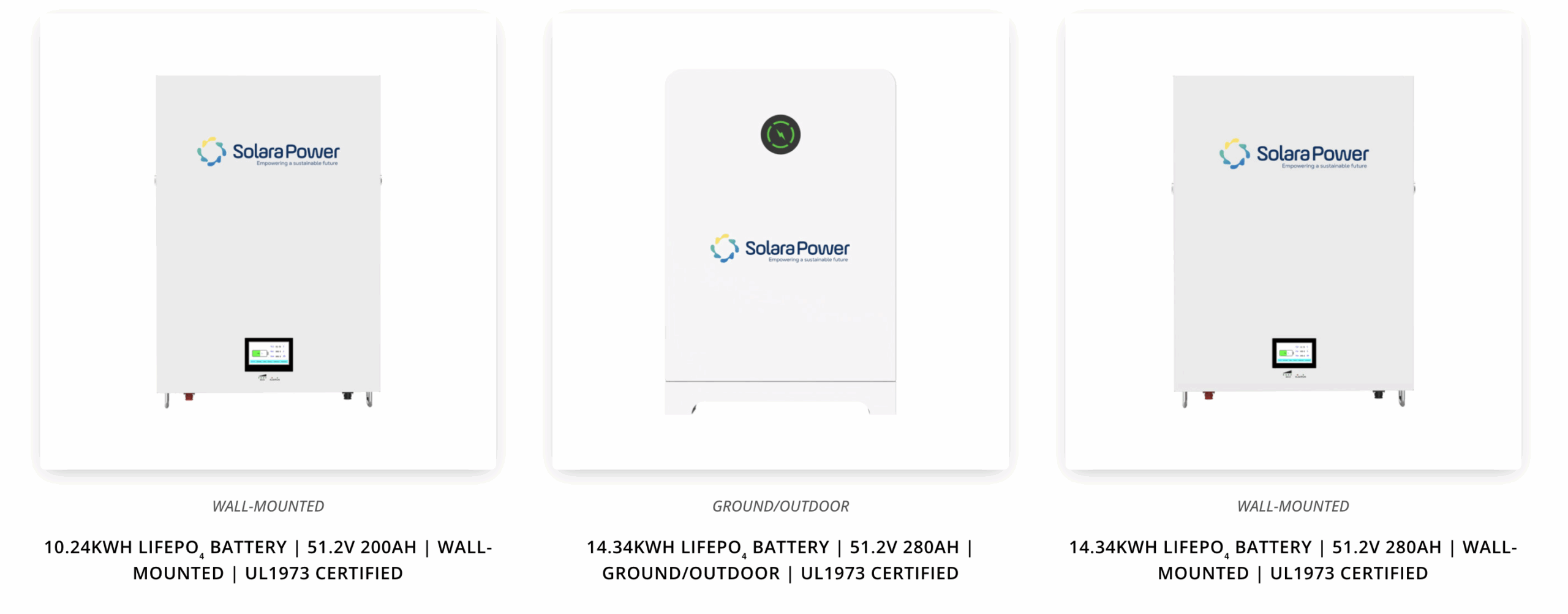
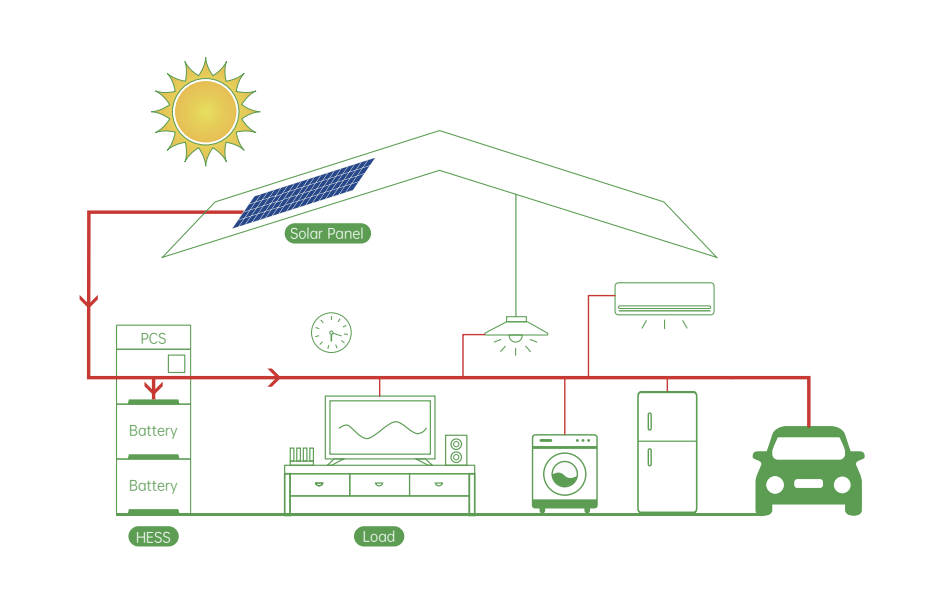
Solar Panels: 12 kW PV array (~30 high-efficiency panels) Inverter: 12 kW Solara Hybrid Inverter Battery Storage: Two Solara Power Batteries, 14.3 kWh each (28.6 kWh total, ~25.7 kWh usable) Average Home Size: 3,000 sq ft, all-electric or hybrid Backup Coverage: Refrigerator, Wi-Fi, lighting, HVAC fan, washer/dryer, kitchen outlets Power Flow: Solar → Inverter → Home Loads + Battery → Grid Export

How the System Supports the Day
AM: Solar panels power home and charge both Solara batteries. PM: Solar runs home, fills batteries, and sends extra power to the grid. Evening: Battery energy powers essentials like lights, fridge, HVAC, and outlets. Night: Reserve energy lasts ~23–32 hours depending on usage. Next Morning: Solar recharges batteries automatically.
System Math and Runtime
PV Production: 12 kW array ≈ 36–54 kWh/day (depending on season and shading). Battery Runtime: 25.7 kWh ÷ 1.1 kW load ≈ 23 hours. Light Use Mode: ~0.8 kW load ≈ 32 hours of autonomy. Inverter Power: 12 kW continuous, supports most home loads simultaneously.
Cost & Incentive Summary (North Carolina 2025)

By integrating the Solara Power hybrid inverter and battery system, homeowners in North Carolina can expect: • Up to 35 % lower upfront cost compared with other major brands. • Faster ROI (approx. 6–8 years typical). • Longer runtime (28.6 kWh total storage ≈ 25.7 kWh usable). • Full eligibility for Duke Energy PowerPair and the 30 % Federal ITC






0 Comments